The Arkansas Athletic Trainers’ Association is calling for greater accountability and consistent enforcement of student-athlete safety requirements amid growing concerns that some high school athletic programs are not following the same rules.
The association issued a statement addressing medical authority and student-athlete safety after ArkansasVarsity reported Friday that coaches and administrators around the state have raised questions about the Arkansas Activities Association’s Wet Bulb Globe Temperature guidelines and whether those requirements are being enforced consistently.
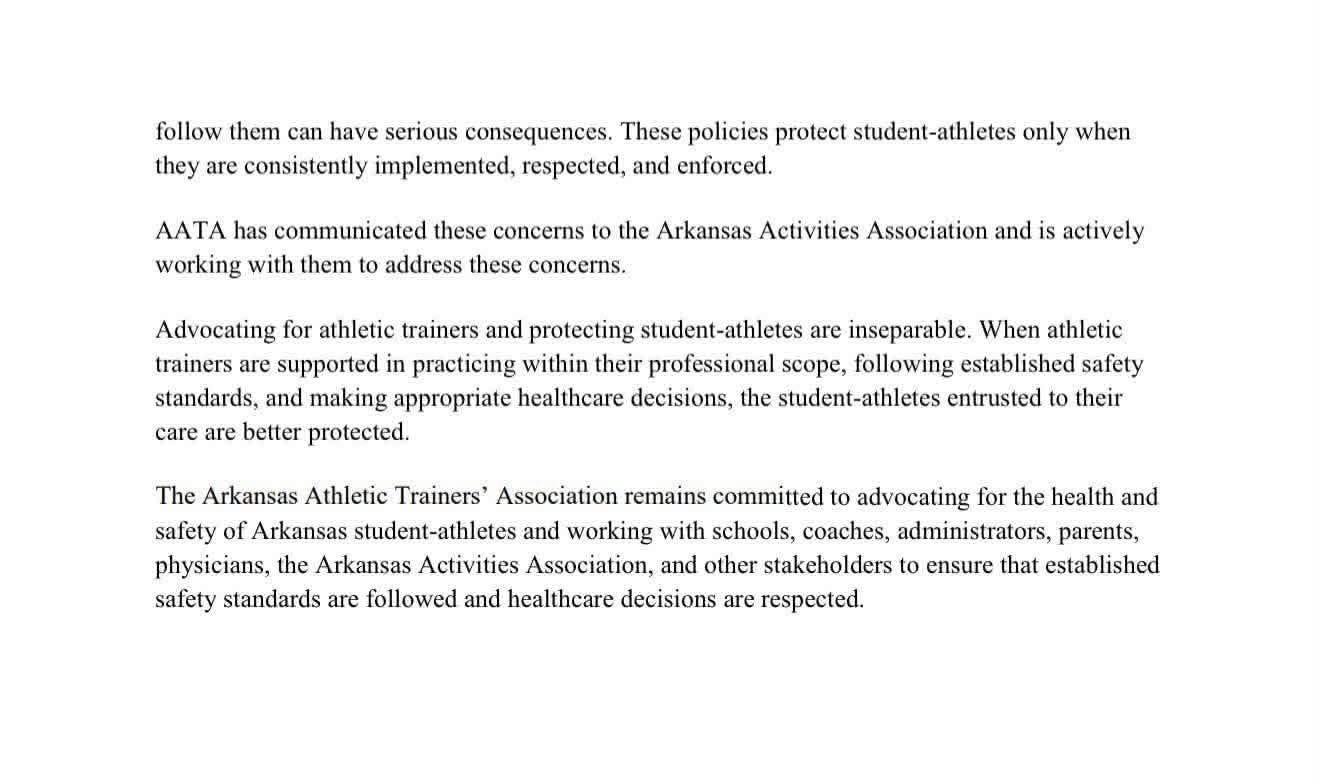
The AATA said it has received reports from athletic trainers and others involving “inconsistent adherence to established safety requirements” and challenges to the medical authority of health care professionals.
The association said the issue creates both a safety concern and a potential competitive imbalance when one school follows heat-related restrictions while another does not.
“We are also concerned that schools and healthcare professionals who follow these requirements may feel disadvantaged when the same standards are not consistently followed elsewhere,” the AATA said in its statement.
That concern closely mirrors one raised by coaches and administrators who spoke with ArkansasVarsity off the record.
Several have questioned whether the AAA’s WBGT restrictions are too stringent for football practices, particularly when similar restrictions do not apply to games. At the same time, some said their larger concern is that programs following the rules could be placed at a disadvantage if other schools ignore them without consequences.
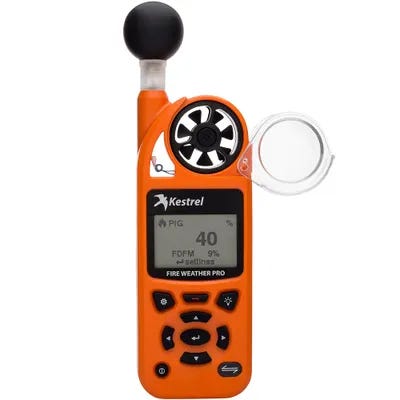
The AAA confirmed last month that its WBGT requirements apply to practices but not contests. In an Aug. 17 clarification, the association said WBGT equipment must be placed on the same surface and in the same location where a team practices rather than in the shade. The AAA also said benefit games are considered contests and therefore are not subject to the practice requirements, although administrators should consider measures such as later starting times and additional breaks.
Under the AAA heat policy, restrictions become progressively more stringent as WBGT readings increase. Outdoor practices are prohibited when readings exceed 92 degrees.
The AATA’s statement goes beyond whether the existing thresholds are appropriate. Its position is that whatever safety standards are in place must be followed consistently.
“Policies addressing issues such as environmental heat exposure and concussion management exist because failure to follow them can have serious consequences,” the association said. “These policies protect student-athletes only when they are consistently implemented, respected, and enforced.”
The AATA said it has communicated its concerns directly to the Arkansas Activities Association and is “actively working with them to address these concerns.”
The association’s own heat-safety information highlights what it sees as an enforcement problem. The AATA says AAA member schools are expected to use WBGT measurements and follow heat-related practice modifications, but it also says enforcement is largely left to individual schools.
The issue moved into the spotlight this week following the resignation of longtime Lakeside athletic trainer Benjamin Lewis.
Lewis alleged that football coaches at Lakeside disregarded WBGT requirements and bypassed medical clearance decisions. He said he reported his concerns to administrators and was later told the heat rules would no longer be strictly enforced and that he should not confront coaches who bypassed his medical decisions.
Lakeside Superintendent Bruce Orr has disputed Lewis’ characterization of the circumstances surrounding his resignation. The AATA did not address the details of Lewis’ employment situation in its statement.
Instead, the association addressed the larger issue of who should have final authority when health and safety decisions are involved.
“Coaches should make coaching decisions. Healthcare professionals should make healthcare decisions,” the AATA said.
The organization said athletic trainers are nationally certified and state-licensed health care professionals who work under the direction of physicians and are trained to prevent, recognize, evaluate and manage injuries and illnesses associated with athletic participation.
“A medical restriction made by a qualified healthcare professional acting within the appropriate medical structure should not be overridden by non-medical personnel,” the association said.
The debate leaves Arkansas high school athletics with two separate questions.
One is whether the current WBGT restrictions are appropriate. Some coaches believe the practice rules are too restrictive and can interfere with properly acclimating players to the conditions they will encounter during games.
The other is whether schools are actually following the rules that currently exist.
On that issue, coaches questioning the system and athletic trainers defending it appear to have found some common ground: If Arkansas is going to have statewide heat-safety requirements, every program should be expected to follow them.
The AATA said it intends to continue working with schools, coaches, administrators, physicians and the AAA to make sure established standards are followed and medical decisions are respected.
“Advocating for athletic trainers and protecting student-athletes are inseparable,” the association said.